

Understanding the psychological tricks behind gambling behavior
The Allure of Gambling: Why We Play
Gambling captivates millions globally, driven by a complex interplay of psychological factors. One primary factor is the thrill of risk-taking, where individuals often find excitement in the uncertainty of potential outcomes. This adrenaline rush can lead to a state of heightened arousal, making the experience irresistible. People often report feeling a sense of invincibility during their gambling sessions, leading them to believe that they can predict or influence outcomes, which further fuels their desire to gamble. In today’s digital age, online gambling options like https://emporgy.com/ provide players with even more ways to engage in this thrilling pastime.

Another significant psychological trick behind gambling behavior is the illusion of control. Gamblers frequently overestimate their influence over random events, such as rolling dice or spinning a roulette wheel. This cognitive bias creates a false sense of security, prompting players to engage more frequently in gambling activities. The belief that skill or strategy can determine outcomes, even in games based purely on chance, can lead to prolonged gambling sessions that may ultimately result in losses.
Additionally, social factors contribute to the allure of gambling. Many people view gambling as a social activity, often engaging with friends or family in casinos or online platforms. This social aspect can enhance enjoyment, making it easier for individuals to disregard the potential negative consequences. As players share experiences and successes, a communal atmosphere develops, reinforcing the urge to participate and the belief that winning is possible.
The psychological concept of reinforcement plays a crucial role in gambling behavior. The intermittent rewards, or random wins, create a powerful conditioning effect. Gamblers experience dopamine surges in their brains when they win, reinforcing the behavior and encouraging them to continue playing. This phenomenon is similar to how slot machines operate, with players often receiving small payouts that keep them engaged and hopeful for larger wins.
Moreover, the concept of “near misses” significantly impacts gambling behavior. When players come close to winning but ultimately lose, it can lead to feelings of optimism rather than discouragement. This cognitive distortion makes gamblers more likely to return and try again, believing that they are “due” for a win. Such near misses exploit the brain’s reward systems, further embedding the cycle of gambling and reinforcing the desire to continue playing.
The payout structures used by casinos also capitalize on these psychological tricks. Games are designed to provide frequent, small wins to maintain player interest and engagement. This tactic, combined with the anticipation of larger jackpots, creates a compelling experience that keeps players returning. Ultimately, the reinforcement mechanisms employed in gambling exploit human psychology, drawing individuals into a cycle that can be difficult to break.
Gambling often leads to significant financial losses, which can create a psychological phenomenon known as cognitive dissonance. Players may struggle to reconcile their actions with the reality of their losses, leading them to rationalize their behavior. For instance, a player might convince themselves that they were close to winning or that their next bet will surely bring a victory. This mindset can trap individuals in a cycle of repeated gambling, as they ignore the logic of their situation in favor of hope and belief.
The concept of loss aversion also plays a pivotal role in gambling behavior. Research suggests that individuals experience losses more intensely than equivalent gains. This psychological bias can lead players to chase their losses, believing that recovering lost money is possible through continued play. This behavior often exacerbates financial difficulties and deepens the psychological grip that gambling can hold over an individual.
Furthermore, the emotional toll of gambling losses can have lasting effects on mental health. Players may experience anxiety, depression, and feelings of shame or guilt after significant losses. These emotions can further cloud judgment and decision-making, making it even harder to quit gambling. Understanding this psychological impact is crucial for individuals who may be struggling with gambling addiction, as it highlights the need for supportive interventions and effective coping strategies.
The rise of online gambling has introduced unique psychological dynamics compared to traditional brick-and-mortar casinos. Online platforms often employ aggressive marketing tactics, such as bonuses and free spins, which can exploit players’ psychological vulnerabilities. These promotions create an enticing environment, leading to impulsive decisions that may not occur in a physical casino setting. The ease of access to online gambling means that individuals can engage at any time, increasing the risk of compulsive behavior.
Additionally, online gambling can foster a sense of anonymity that is less prevalent in brick-and-mortar casinos. Players might feel more liberated to gamble without the social pressures associated with physical locations. This anonymity can lead to increased spending and heightened risk-taking behavior, as players feel less accountable for their actions. The lack of face-to-face interactions in online gambling environments can diminish social checks, allowing for more reckless behavior.
Moreover, the design of online games often emphasizes speed and convenience, making it easier for players to lose track of time and money. With features such as autoplay and quick bet options, online gambling can become a whirlwind experience that ensnares players in a cycle of rapid betting and loss. Understanding these differences is essential for recognizing the various psychological traps associated with both online and traditional gambling environments.
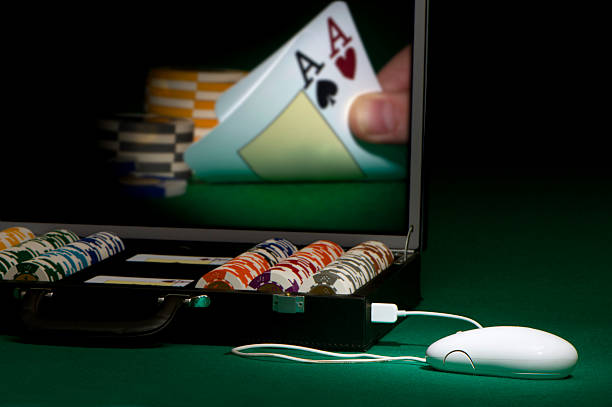
As awareness of the psychological tricks behind gambling behavior increases, so does the need for resources to promote responsible gambling. Websites and organizations dedicated to this cause offer valuable information, tools, and support for individuals who may be struggling with gambling-related issues. These resources often include self-assessment tools, educational materials, and access to counseling services, helping individuals understand their gambling behaviors and potential risks.
Moreover, responsible gambling initiatives focus on providing guidance for setting limits and recognizing the signs of problem gambling. Educating players on the importance of budget management and self-exclusion options can empower individuals to maintain control over their gambling habits. By fostering an understanding of the psychological factors at play, these resources aim to prevent gambling addiction and promote healthier gaming experiences.
In conclusion, understanding the psychological tricks behind gambling behavior is crucial for both players and operators in the gambling industry. Awareness of these factors can lead to better decision-making, healthier gambling practices, and ultimately a more balanced relationship with gaming. Resources dedicated to responsible gambling play an essential role in this endeavor, providing support and education to foster safer gambling environments.
“`